

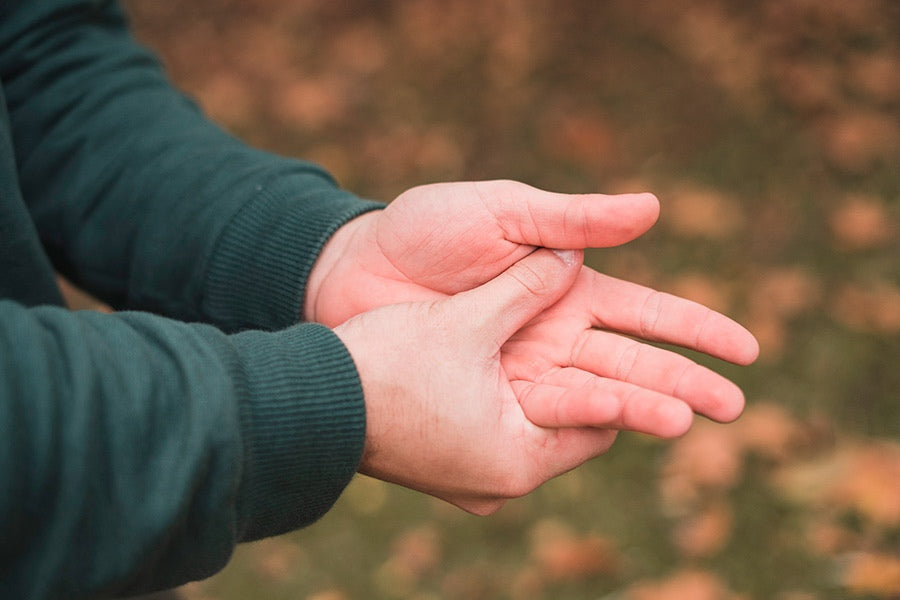
Winter can be tough for many, but it’s even harder for those with Raynaud’s disease. Cold temperatures trigger symptoms like numbness and tingling in the hands and feet, making everyday tasks difficult. But with the right gear, like heated gloves, you can ease the discomfort and stay warm. In this article, we’ll explore how heated gloves and simple strategies can help you manage Raynaud’s disease during the cold months.
What is Raynaud’s Disease?

Raynaud’s disease affects blood flow, particularly in the fingers and toes. Cold or emotional stress causes blood vessels to constrict, reducing blood flow to extremities. This results in numbness, tingling, and skin discoloration. There are two types:
-
Primary Raynaud’s: Triggered by cold and stress, with mild symptoms.
-
Secondary Raynaud’s: Linked to other conditions, causing more severe symptoms.
Why Does Cold Weather Worsen Raynaud’s Symptoms?

Cold weather is a common trigger for Raynaud’s disease. As temperatures drop, blood vessels constrict to preserve body heat, reducing blood flow to the hands and feet. This leads to numbness and discomfort.
How to Manage Raynaud’s Disease in Winter
1. Use Heated Gloves
The most effective way to manage Raynaud’s disease during winter is by wearing heated gloves. These gloves provide warmth directly to your hands, preventing blood vessels from constricting. Many heated gloves come with adjustable temperatures to suit your needs.
Tip: Look for heated gloves with long battery life and quick charging features to ensure continuous warmth.
2. Manage Stress
Stress can trigger Raynaud’s disease symptoms. By practicing relaxation techniques like deep breathing and meditation, you can reduce the frequency and severity of symptoms.
Tip: Regular relaxation can help keep your body warm and your blood flowing smoothly.
3. Stay Active
Regular physical activity can improve circulation and help your body cope with cold temperatures. Activities like walking or stretching can keep blood flowing and reduce symptoms.
Tip: Move around regularly to stimulate circulation and avoid cold-induced stiffness.
4. Choose the Right Winter Gear
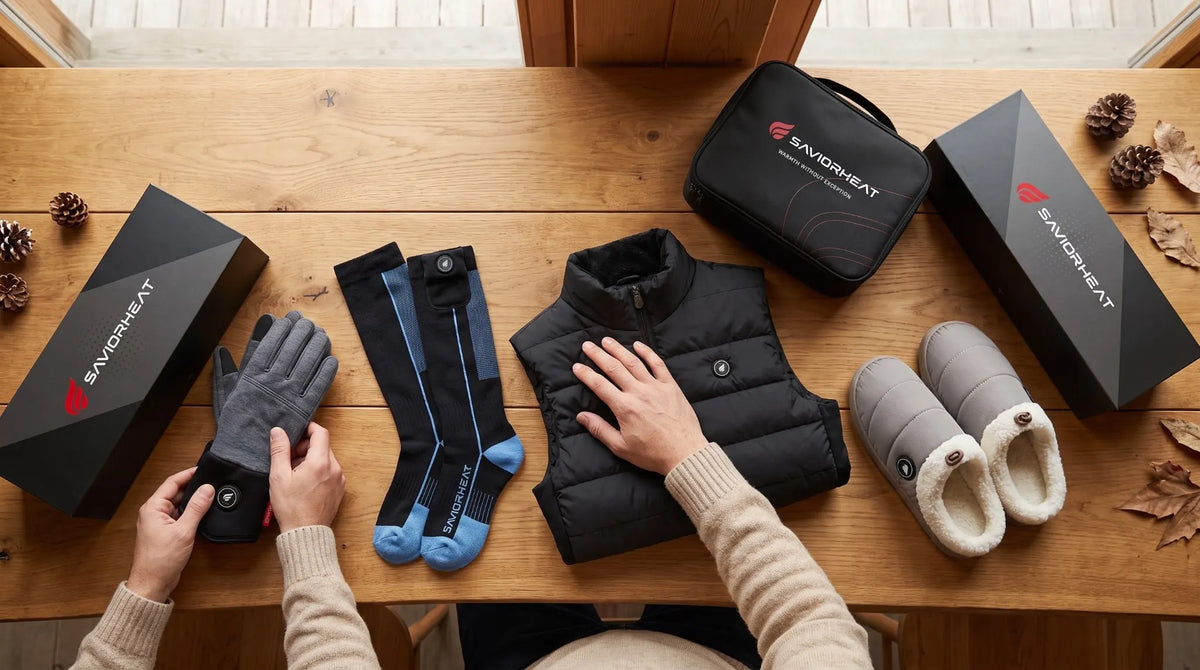
Aside from heated gloves, choosing the right winter gear, such as heated socks and warm gloves for Raynaud’s, is essential. Look for gear that is waterproof and windproof to protect against the elements.
Tip: Choose gear with adjustable heat settings to stay warm in varying conditions.


Conclusion
Managing Raynaud’s disease during the winter doesn’t have to be difficult. With the right heated gloves and other strategies, you can stay warm and comfortable in cold weather. If you’re looking for high-qualityheated gloves, check out our Savior Heat collection, designed to provide the warmth you need to manage Raynaud’s disease effectively.

Share:
Say Goodbye to Cold Hands: The Best Heated Motorcycle Gloves for Winter Rides
Are Heated Socks Safe? Learn How to Stay Warm in the Cold Without the Worry of Overheating