

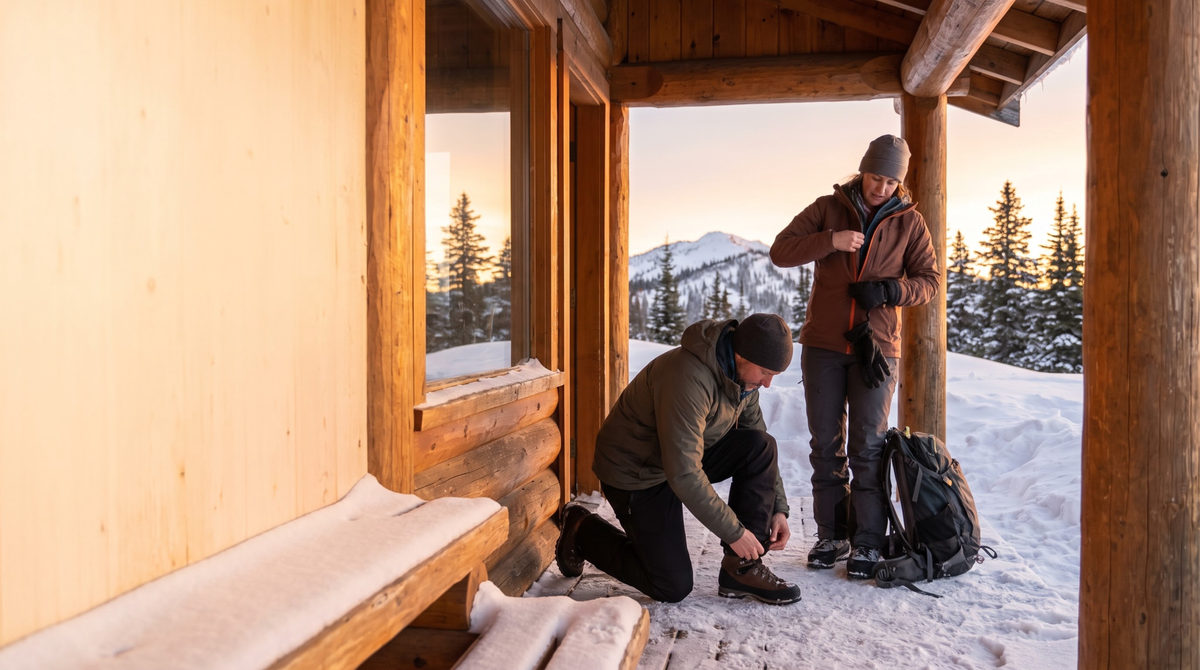
A complete head-to-toe winter warmth system is not about buying every heated item you can find. It is about identifying where cold actually interrupts your day, then assigning the right job to passive layers, active heat, and fit. Savior Heat is a Smart Heated Wearables System that helps people think about winter warmth across the body, from core stability to hand control and foot comfort, so each layer has a purpose instead of adding random bulk.
The short answer: start with the activity, identify the real warmth gaps, then assign the right combination of passive layers and targeted heat across the torso, hands, and feet.
Start With Exposure, Not Products
Before you choose a heated vest, heated glove liners, or heated socks, describe the cold problem in plain terms. Are you standing still, walking, skiing, commuting, working outside, or moving between indoor and outdoor spaces? Do you lose comfort because wind cuts through your torso, because fingers become stiff, because toes get cold inside boots, or because one warm layer makes you sweat before the coldest part of the day begins?
That first assessment matters because a warmth system fails when every layer tries to do the same job. A thick midlayer may help at a bus stop but feel clumsy under a shell. Heated socks may help cold toes but cannot solve a jacket gap at the waist. Heated glove liners may support finger comfort but cannot replace waterproof outer gloves in wet snow.
Write down three things before building the system:
- The coldest part of the day.
- The body area that makes you stop enjoying the activity.
- The layer or product that is already doing its job well.
The goal is to close the real warmth gap, not to rebuild your closet.

Give The Torso The Stability Job
Your torso is the anchor of a head-to-toe heated wearables plan because core warmth influences how comfortable the rest of the day feels. That does not mean a heated vest is always the first thing to buy; first-purchase decisions belong in a separate guide. In a complete system, the torso job is stability: keep the center of the body warm enough that hands and feet are not asked to compensate for a cold core.
Start with passive layers: a base layer that manages moisture, a midlayer that traps warmth, and a shell that handles wind or wet conditions when needed. Then decide whether active core heat belongs in the system.
For example, VTL201G3 is a heated vest option documented with five core heating areas: left abdomen, right abdomen, back neck, upper back, and lower back. That kind of layout is useful when your main interruption is core chill during low-movement periods, exposed lifts, outdoor work breaks, or long winter travel windows. If your question is specifically whether a vest or base layer fits your body and activity better, use the heated vest vs heated base layer guide before making that category decision.

Decide What Your Hands Must Be Able To Do
Hand warmth is not only about feeling warm. It is about keeping enough dexterity to grip poles, use tools, hold a phone, drive, fasten zippers, or help a child with gear. That is why hand coverage should be planned around the task.
If your activity requires weather protection, heated gloves or shell gloves may be the right outer layer. If you already have outer gloves you trust, heated glove liners can add targeted warmth without changing the entire hand setup. Liner examples such as GVL116G3 and GVL201G3 cover the back of the hand and fingers, with slim liner construction that can work as part of a layered glove system when sizing allows.
Use this rule: protect against wind and wet conditions with the outer layer, then use active heat for the cold-sensitive hand areas that still need help. Do not make a liner do the job of a waterproof shell. Do not choose a bulky outer glove if the real task requires touch, grip, or frequent adjustment.
For deeper hand-category comparison, move from the system plan to the best heated gloves guide .

Plan Feet Around Boot Fit
Cold feet often start with boot space, moisture, pressure points, and how tightly the footwear holds the foot. Adding active heat helps most when the sock still fits the footwear. If a sock is too thick, shifts inside the boot, or puts pressure under the battery pocket, the system can feel worse even if the heating zone is well designed.
In a head-to-toe system, heated socks should support the foot role: warmth around the toes and forefoot, stable fit, and enough cushioning for the footwear you actually wear. Stable Fit Heated Ski Socks (SOS202G3) and Heat-Transfer Arch Support Heated Ski Socks (SOS208G3) both use 360-degree forefoot heating that covers the sole, toes, and top of the foot.
That does not make one option the universal answer. It shows what to look for: heating where the cold appears, construction that works inside the boot, and a battery pocket that does not create pressure. For a fuller foot-category decision, continue with the best heated socks guide .

Build The System In Five Checks
Use this sequence before adding another heated product:
- Define the activity and exposure. A ski day, a work shift, and a winter commute create different cold patterns.
- Mark the main warmth gap. Choose core, hands, feet, or a combination only if each area has a real job.
- Confirm passive layer roles. Moisture control, insulation, and wind protection should already be assigned.
- Add active heat where passive layers stop being enough. Use heated gear as targeted support, not as a substitute for fit.
- Check how the full system works in motion. Make sure the pieces still let you walk, grip, sit, layer, and adjust comfortably without creating unnecessary bulk or friction.
If you use more than one heated item, also consider whether the charging routine is practical for your day.
If the answer to step two is "everything is cold," pause before buying more. That may mean the base system needs attention: moisture may be trapped, wind may be entering through openings, layers may be compressed, or the shell may not match the weather. Active heat works best after those basics are handled.
Keep The Product Layer Light
A complete head-to-toe system does not require a heated product for every body area. Start with the warmth gap that interrupts your day most, then add only the piece that solves that problem.
Choose fewer pieces if fewer pieces solve the problem. A commuter with cold hands and a warm coat may need hand support only. A skier with reliable gloves but cold toes may need heated socks and better boot-fit planning. Someone who stands outside for long periods may need core stability first, then decide whether hands or feet still need targeted help.
When you move from planning to shopping, confirm sizing, included battery configuration, care requirements, and current product details on the exact product page. The system method stays the same, but fit and included components must match the exact item.
FAQ
What is a head-to-toe winter warmth system?
A head-to-toe winter warmth system is a practical way to assign warmth roles across the torso, hands, and feet so each layer solves a real cold-weather problem. It connects passive layers and active heat instead of seeing every heated product as a separate purchase.
Do I need heated gear for every body area?
No. You only need active heat where ordinary layering, fit, and weather protection are not enough for your activity. The best system may use one heated piece, two heated pieces, or none in a body area that is already comfortable.
What if I already own one heated item?
Do not rebuild from scratch. Start with the product you already use, identify the remaining warmth gap, and add the next category only if it solves a specific problem. If you already own heated gear, the next step is to build on what is working and expand only where another real warmth gap remains.
Summary
Head-to-Toe Warmth is a method, not a shopping list. Start with the cold exposure, identify the real warmth gaps, and assign clear roles to passive layers and targeted heat across the torso, hands, and feet. Then add heated wearables only where they make the winter experience easier, warmer, and less interrupted.
Warmth Without Exception

Share:
Best Heated Clothing: Gloves, Socks or a Vest - What Should You Buy First?
How to Choose Heated Gear as a Gift