


Labor Day weekend often still feels like late summer, so the right checklist is not "dress for winter." It is about planning for the cool parts of the trip. If your Labor Day plan takes you to a mountain trail, a campsite, or anywhere the temperature gap between noon and sunset runs more than 15–20 degrees, this checklist is built for that trip. Start with breathable layers for the hours when you are moving. Pack one layer you can add when elevation, wind, shade, or evening temperature changes the feel — and keep a small backup for sitting, waiting, or hanging around camp. That is how Savior Heat thinks about warmth: begin with the trip you want to keep enjoying, then decide what to carry.
Start With Changing Conditions

Your Labor Day packing decisions should start with the conditions that change, not just the afternoon high. A national park day hike, a shaded trail, a windy overlook, and a campsite after dinner can make one weekend feel very different by the hour. Your checklist should begin with those shifts, not the forecast headline.
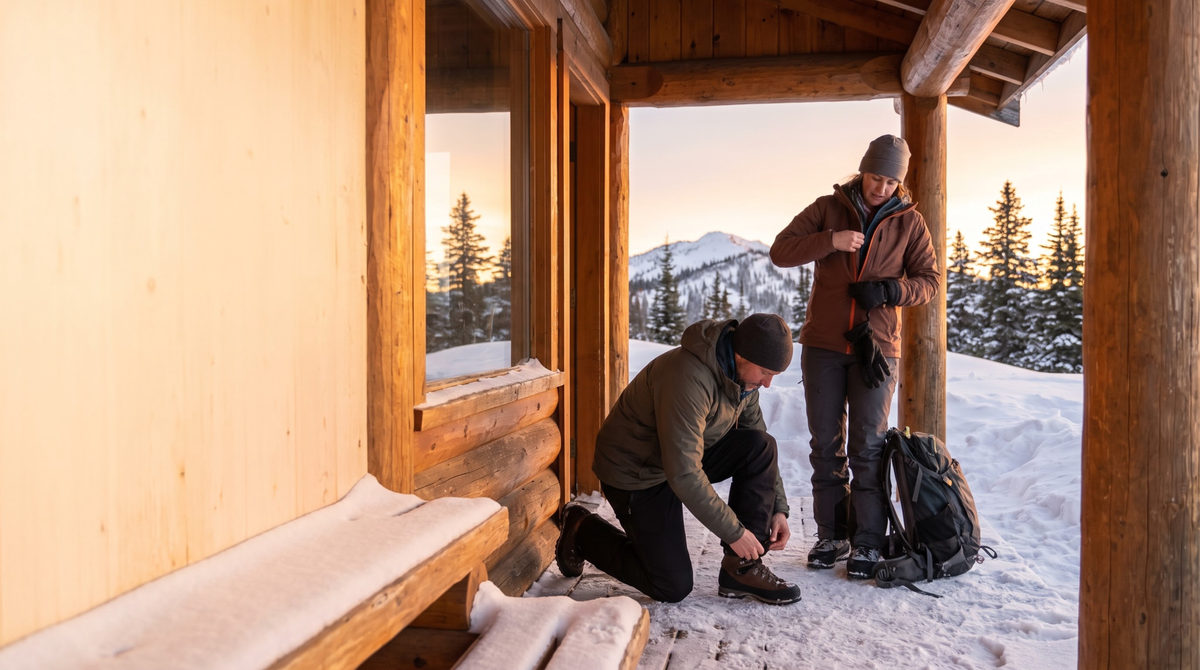
Check the forecast for the actual destination, not only the nearest town. Then look for higher elevation, exposed sections, shade, wind, and time spent sitting outside. A family road trip with outdoor stops needs different warmth than a steady hike because you can keep backup layers in the car. Camping needs more evening planning because once you stop moving, your body stops generating heat and the temperature starts to matter more.
The practical question is not "Will it be cold all day?" It is "When will I slow down, stop moving, or be exposed to wind?" Build your packing list around those cooler windows instead of dressing for the worst-case hour from the start.
What To Wear Before You Leave
Start with the lightest outfit that handles the warmest, most active part of the day. Add a wind or rain shell when the route is exposed or the forecast is uncertain. Leave heavy insulation out of your starting outfit — if you need it at all, it belongs in your pack as backup, not on your body from the trailhead. For colder trips that require a full base-to-shell system, use our complete cold-weather layering guide.
If your trip includes a high overlook, a dawn start, an evening campfire, or a longer wait outdoors, a heated vest can be worn as an add-on layer or packed for later. Not sure which format fits your setup? Compare a heated vest vs. heated base layer. The point is not to turn Labor Day into winter. The point is to avoid wearing your warmest layer all day just because one part of the schedule may be chilly.
The Labor Day Weekend Checklist

Use this as a decision list, not a suitcase-filling contest.
- Wear a light, breathable top for the hours when you will be moving.
- Bring a packable warm layer for cool mornings, dawn starts, longer breaks, campsite evenings, or slow outdoor meals.
- Bring a wind or rain shell when the route is exposed, the forecast is unstable, or outdoor stops are likely to be windy or damp.
- Carry a dry backup top if hiking or setting up camp could leave you sweaty or damp.
- Bring a warm hat or neck gaiter if the trip includes higher elevation or time spent sitting outside.
- Add light hand warmth only when the itinerary makes it reasonable: cooler destination, wind exposure, pre-dawn departure, late return, or camp tasks after dark.
- Charge any heated gear before leaving, keep its batteries with the garment, and add charging cables only for overnight trips or planned charging stops.
- Keep all removable layers in one reachable spot — don't scatter them across the car, pack, and campsite.
For a mild daytime outing, this checklist may stop at a shell and one light layer. For a mountain day trip, camping night, or family road trip with outdoor stops after sunset, it earns a more serious backup plan.

What To Keep As Backup
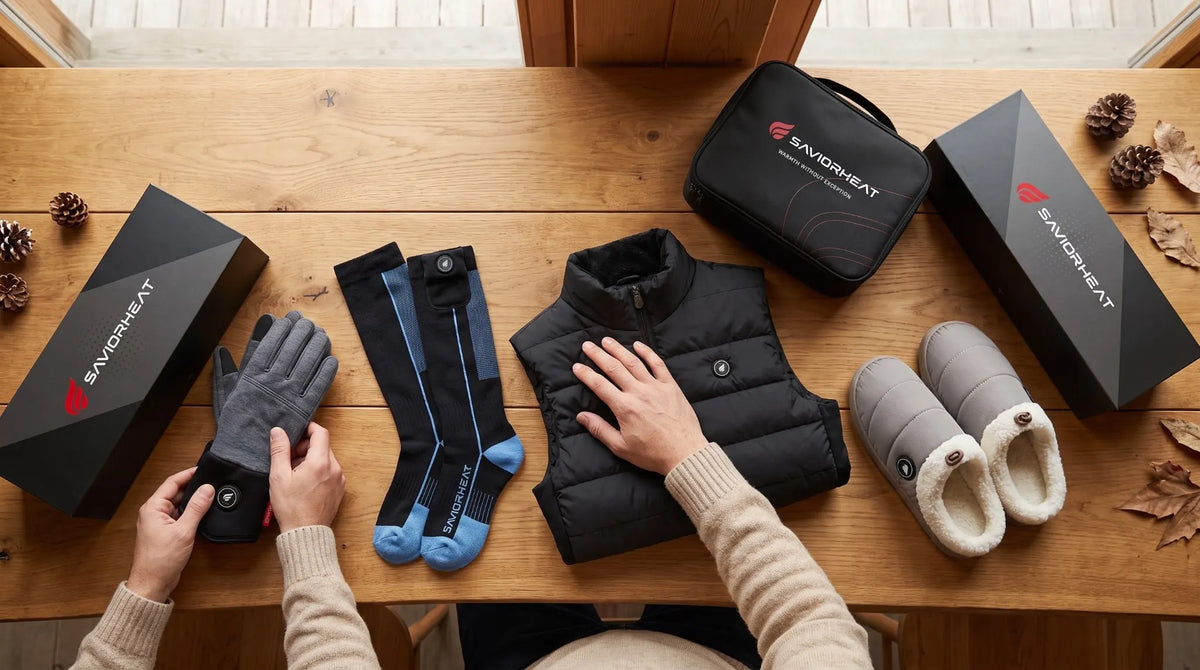
Backup warmth should be easy to add without rebuilding your whole outfit. This is where a heated vest makes sense for trip preparation: it adds warmth for your core without asking you to dress for the coldest possible hour from the start. The VTL201G3 men's and VTL203G3 women's heated vests are built for exactly that kind of flexible backup — useful for changing conditions rather than declaring the whole weekend cold.
Pack the vest when your trip includes a colder-than-town destination, early or late sitting time, a campsite, or a route where wind can make breaks uncomfortable. If you plan to wear it with a wind or rain shell, check before leaving that the layers fit together comfortably. Also keep the battery with the vest, because backup warmth only helps if the full setup is ready when that cooler window appears.
The GVL116G3 Heated Glove Liner belongs in the checklist only when your hands will actually be exposed: using trekking poles on a cool dawn start, cooking at camp after dark, or waiting in wind. Its slim liner form and touchscreen-ready thumb and index fingertips make it a light hand-warmth backup for those specific windows.
For Labor Day weekend, Head-to-Toe Warmth is a menu, not a packing mandate: cover the places your itinerary actually exposes, and leave the rest at home.
Keep Backup Easy To Reach
Backup only helps if you can reach it. Before you leave, decide where each extra layer will live: near the top of the daypack, in a tote in the back seat, or in a camp bin you can open after dark.
For a hike, keep the extra layer above snacks, camera gear, or extra water. For camping, pull evening layers out before dark. For a family road trip, keep shared layers in one place instead of scattering them across bags. You do not need a complex setup; you just need the right layer close enough that you will use it when the air turns cooler.
Summary
Labor Day weekend does not need a winter kit. It needs a plan for the parts of the day that actually get cold — the dawn start, the windy overlook, the campsite after dinner, the long wait when the pace drops. Build your pack around those windows, not the worst-case hour.
If your itinerary has one of those cooler moments, a heated vest earns its place in the bag. If your hands are the first thing to feel the wind or the chill, a slim, skin-close glove liner belongs there too. Pack what the trip actually calls for — nothing more. Browse heated vests or shop heated glove liners and go.
Warmth, Without Exception.

Share:
How to Keep Kids Comfortable on Cold School Mornings
How to Layer for Cold Weather: Build a Winter Layering System