

Choosing the right work gloves is often overlooked, yet it is essential for safety, efficiency, and comfort. Whether in construction, logistics, manufacturing, or chemical handling, the wrong gloves can reduce performance or cause injury. Since there is no one-size-fits-all solution, different environments require different levels of protection and flexibility. This guide helps you choose based on real working conditions rather than assumptions.
Understanding Why Work Gloves Matter in Real Work Environments
In many industrial and manual work settings, hands are exposed to risks such as sharp edges, heavy materials, oil, heat, and chemicals. According to the Occupational Safety and Health Administration (OSHA), 70.9% of hand and arm injuries could have been prevented with proper personal protective equipment, particularly safety gloves. Work gloves are the first line of protection, but their effectiveness depends on choosing the right type for the job. For example, construction workers handle rough materials like bricks, wood, or metal, where poor protection can quickly cause cuts and abrasions. In contrast, warehouse workers prioritize grip and flexibility for repetitive tasks. These differences show a key point: work gloves should match specific job needs, not just provide general protection.
Choosing the Right Work Gloves Based on Job Roles
Different job roles require different priorities when selecting work gloves, as each environment has unique risks and demands.
- For construction workers, durability and impact resistance are essential. Handling bricks, timber, steel, and power tools requires gloves that can withstand rough surfaces and repeated abrasion. Reinforced palms, padded knuckles, and added grip zones improve protection and control on demanding job sites.
- For mechanical technicians and maintenance workers, precision and cut resistance are key. These roles involve sharp metal parts, small components, and tight spaces. A close-fitting design with good fingertip sensitivity ensures accurate handling while protecting against cuts and scratches.
- For warehouse, logistics, and delivery workers, lightweight and flexible gloves are ideal. These jobs involve frequent lifting, sorting, and carrying over long shifts. Strong grip prevents slipping, while breathable materials reduce heat buildup and fatigue.
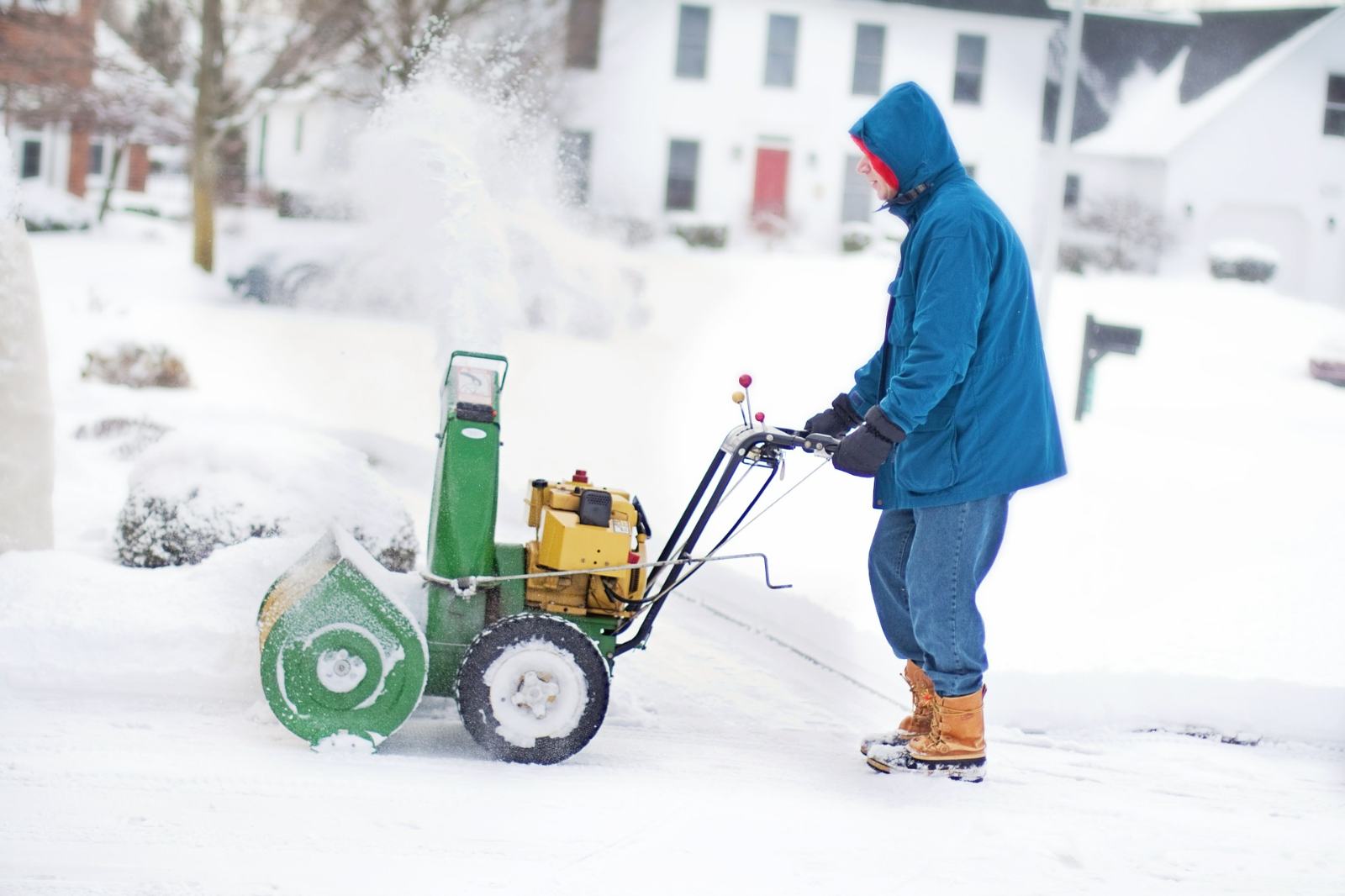
- For cold-weather outdoor work such as snow removal, road maintenance, or winter construction, insulation is essential. Gloves should provide thermal protection while remaining flexible enough for tools like shovels or scrapers. Water- and wind-resistant materials also help keep hands warm and dry in harsh conditions.
- For chemical handling, cleaning, and laboratory work, full protection against liquids and contaminants is essential. Gloves must resist chemical penetration and feature a secure wrist seal, while still allowing precise, controlled movements for handling tools or sensitive materials.

Types of Work Gloves and Suitable Work Environments
Work gloves vary in materials and functions to suit different working conditions. The table below provides a simplified overview of the main types and their typical applications.
| Type of Work Gloves | Key Features | Suitable Work Environments | Typical Use |
|---|---|---|---|
| Leather Work Gloves | Durable, abrasion-resistant, general protection | Construction, outdoor work | Handling rough materials and tools |
| Cotton and Fabric Work Gloves | Lightweight, breathable, basic protection | Light-duty, indoor tasks | Packaging, cleaning, low-risk work |
| Rubber, Plastic, and Synthetic Work Gloves | Waterproof, chemical-resistant, flexible | Cleaning, labs, food handling | Handling liquids and chemicals |
| Kevlar Gloves | High cut and heat resistance, strong fibers | Metal work, manufacturing | Cutting, sharp materials handling |
| Impact-Resistant and Vibration-Dampening Work Gloves | Padded protection, shock/vibration reduction | Heavy machinery, construction | Power tools, high-impact tasks |
| Heated Work Gloves | Thermal insulation, cold protection | Winter outdoor work, cold storage | Snow removal, cold environments |
Key Performance Factors to Consider Before Choosing
When choosing gloves at work, there are several key factors to consider to ensure they not only fit properly but also effectively protect against workplace hazards.
- The Glove Material should match your specific work requirements. Leather is durable and suitable for heavy-duty tasks, while rubber or synthetic materials offer resistance to chemicals. Choose based on the primary risks you face.
- Protection level should always match actual risk exposure—too little increases safety risks, while too much can reduce comfort and efficiency. Safety standards are an important reference point. The ANSI/ISEA 105 standard evaluates resistance to cuts, abrasions, and other mechanical risks, while EN 388 is widely used in Europe to rate abrasion, cut, tear, and puncture resistance.
- Flexibility is essential for tasks requiring precision. Gloves that are too rigid can limit movement and increase fatigue over time.
- Durability also affects long-term cost efficiency—higher-quality materials may cost more initially but last longer in demanding environments.
Grip performance plays a critical role in safety. In oily, wet, or dusty conditions, a secure grip helps prevent accidents and improves overall handling efficiency.
The Best Work Gloves for You
Choosing the best work gloves depends on your working conditions, including temperature, risk level, and flexibility needs. Below are several practical options to help you quickly find the right fit for your tasks.
SAVIOR HEAT Heavy-Duty Heated Work Gloves for Cold Weather – Waterproof & Durable
For those working in freezing environments such as snow removal, winter construction, or outdoor maintenance, heated work gloves offer a clear advantage. These SAVIOR HEAT Heated Work Gloves combine durable outer materials with built-in heating technology, delivering consistent warmth for up to 9–10 hours on low settings. They feature waterproof and windproof construction, along with 3M Thinsulate insulation to retain heat even in damp conditions.
In addition, the anti-slip palm and flexible grip design make it suitable for handling tools like shovels or equipment, while the touchscreen compatibility adds convenience for real-world use. This type of glove is particularly useful when both warmth and functionality are required in harsh outdoor environments.

Ansell HyFlex 11-819 Nitrile-Coated Work Gloves
The Ansell HyFlex series is designed for industrial environments where precision and comfort matter. These gloves feature a nitrile coating that improves grip in dry or slightly oily conditions, while the lightweight nylon liner ensures breathability. They are ideal for assembly lines, maintenance, and light mechanical work.
Mechanix Wear M-Pact Work Gloves
Mechanix Wear gloves are known for balancing flexibility and protection. They are commonly used in automotive repair, DIY tasks, and light industrial work. Their design focuses on hand control and comfort, making them a practical option for users who need dexterity without bulky materials.
Conclusion
Selecting the right work gloves comes down to balancing risk, comfort, and task requirements. Since each work environment is different, gloves should be chosen based on actual conditions rather than assumptions. By considering materials, performance, and job needs, you can improve both safety and efficiency.


Share:
Black Friday Orders: All Your Logistics & After-Sales Questions Answered
Battery for Heated Vest: How to Choose the Right Power for Warmth and Comfort