

Deep sea fishing is not just a leisure activity—it is an environment where weather, water, and sunlight constantly challenge your comfort and safety. Many first-time anglers underestimate how different it is from coastal or lake fishing, only to realize later that ordinary clothing quickly becomes a problem at sea. Understanding what to wear deep sea fishing is therefore essential for both performance and protection, especially when conditions can shift within minutes offshore.
What You Will Face in a Deep Sea Fishing Environment?
When fishing offshore, your clothing must deal with several harsh conditions that rarely occur together on land:
- Intense UV reflection: Sunlight doesn’t just come from above—it also reflects off the water surface, significantly increasing overall UV exposure from multiple angles.
- Changing wind conditions on the boat: Wind feels much stronger on a moving vessel, and temperatures can feel noticeably colder in the early morning or late afternoon. This effect becomes even more pronounced for anglers fishing in cold weather, where wind chill and low temperatures combine to reduce comfort more quickly.
- Constant saltwater spray: Ocean spray from waves and boat movement can quickly soak clothing, making regular fabrics heavy, damp, and uncomfortable if they are not marine-ready.
Together, these factors make offshore conditions far more demanding than typical fishing environments. That’s why deep sea fishing apparel goes beyond standard outdoor wear, focusing on sun protection, moisture control, and durability for long hours at sea. In this environment, function and protection are far more important than appearance, and clothing must adapt to constantly changing marine conditions.
Layering System for Offshore Fishing
A practical way to dress for offshore conditions is the layering system, which helps anglers adjust to changing weather throughout the day.
Base layer (moisture control)
Worn directly against the skin, this layer manages sweat and keeps the body dry. Quick-drying synthetic fabrics like polyester or nylon are ideal, as they regulate temperature and prevent discomfort. Cotton is less suitable because it absorbs moisture and becomes heavy during long trips.
Mid layer (insulation & flexibility)
This layer provides warmth during cool mornings or windy conditions at sea. Lightweight fleece or a thin wind-resistant pullover is usually enough, offering comfort without causing overheating as temperatures rise.
Outer layer (weather protection)
The outer shell protects against wind, salt spray, and light rain. The best options are lightweight, breathable, and water-resistant, allowing freedom of movement. Overly heavy waterproof jackets should be avoided, as they can restrict mobility when handling fishing gear.
Essential Clothing Items to Deep Sea Fishing
When deciding what to wear deep sea fishing, a few key items consistently prove essential in real offshore conditions:
Head, neck, and eye protection
Wide-brim hats or neck-covering caps reduce direct sun exposure, while lightweight face covers help block wind and glare. Paired with polarised sunglasses, they improve visibility and reduce eye strain on reflective water surfaces.
Fishing Gloves
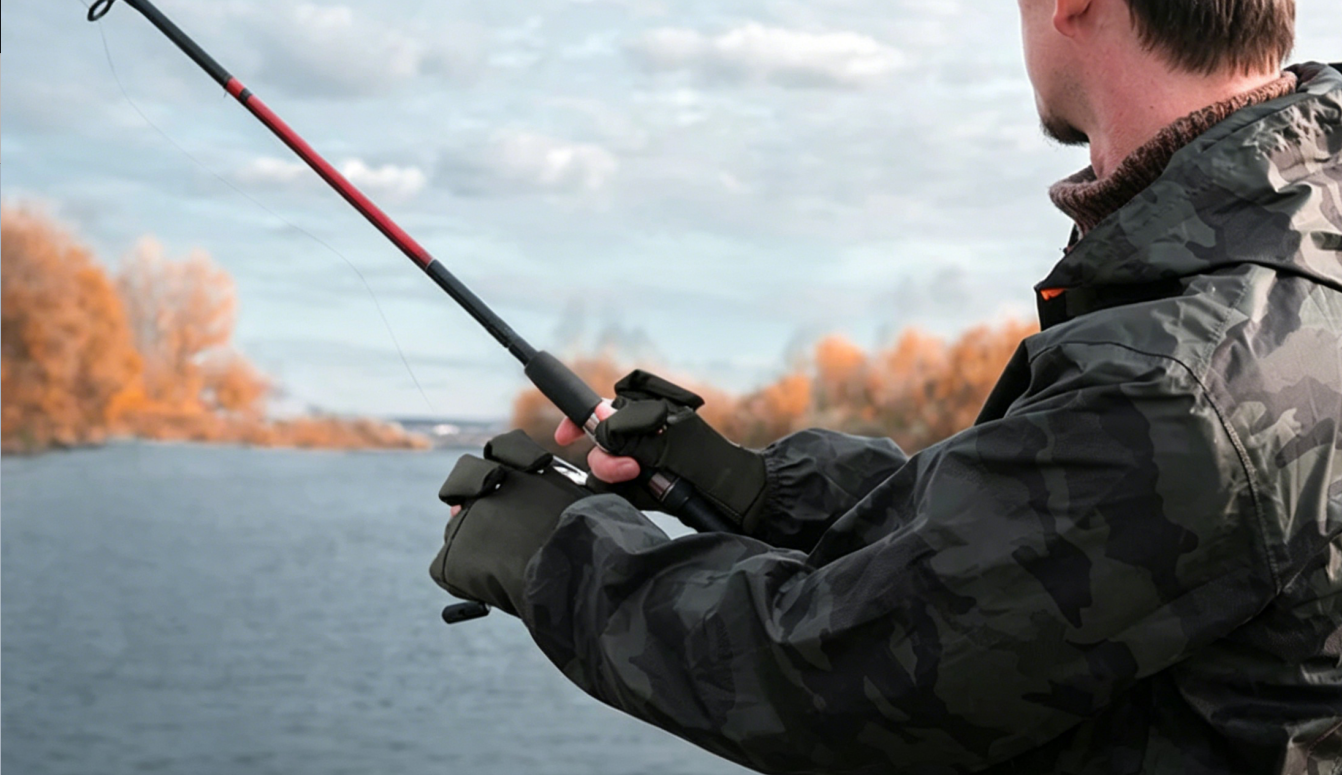
Fishing gloves are often overlooked but essential for offshore and nearshore fishing, especially in cold conditions. They help prevent blisters and cuts, protect against extreme cold, and provide a more secure grip on the rod when hands are wet or numb.
The SAVIOR Heated Fishing Gloves feature an integrated heating system with three adjustable temperature levels (100–150°F), with heating duration of up to 6.5 hours. Specially designed for fishing, they combine durable twill fabric, black microfiber with full silicone anti-slip grip, thermal insulation cotton, and a soft velvet lining. This structure ensures warmth, waterproof performance, wind resistance, and a secure grip on wet gear. For added practicality, the fingertip flip-cap design allows anglers to expose fingers when precise control is needed, making it easier to handle hooks and fishing equipment without removing the gloves.

Sun-protective long-sleeve tops
Strong offshore UV exposure can cause sunburn even on cloudy days. High UPF-rated clothing like a Long-sleeve fishing shirt helps block UV rays, reduces skin damage, and minimizes the need for frequent sunscreen reapplication.
Lightweight waterproof jacket
Offshore weather can change quickly. A packable, water-resistant jacket provides protection against wind and sea spray without restricting movement or taking up much space onboard. In colder conditions, a heated jacket can also be a practical option, offering consistent warmth while keeping your gear lightweight and easy to manage. It is also suitable for a variety of outdoor activities such as skiing, hunting, and hiking.

Breathable, Loose-Fitting Fishing Shorts or Trousers
Choose breathable trousers or shorts with a relaxed fit that allows easy movement, but avoid overly loose designs that may catch on boat equipment. Quick-drying fabrics are especially practical, as they help manage moisture while keeping you comfortable throughout the trip.
Proper boat footwear
A slippery deck makes stability essential. When deciding what shoes to wear to deep sea fishing, choose footwear with non-slip rubber soles and good breathability to ensure a secure grip on wet surfaces while keeping your feet comfortable—not too hot or too cold—throughout the trip.
Common Offshore Clothing Mistakes to Avoid
In addition to selecting the right deep sea fishing apparel, it’s also important to avoid common clothing mistakes. Small oversights can quickly lead to discomfort or safety issues offshore.
-
Wearing unsuitable everyday clothing
Items like jeans or cotton T-shirts absorb water easily, becoming heavy and slow to dry. This quickly leads to discomfort during long hours at sea. -
Ignoring proper footwear
Underestimating the importance of non-slip shoes can result in poor stability and increased risk of slipping on wet decks. -
Lack of adequate sun protection
Many anglers overlook how strongly sunlight reflects off the water. As a result, UV exposure is higher than expected, and sunburn can occur even on short trips. -
Overpacking bulky layers
Bringing too many heavy clothing items can restrict movement and cause overheating, reducing overall comfort and efficiency.
Additional Essentials for Offshore Fishing
Beyond clothing, a few extra items can significantly improve comfort, safety, and overall efficiency during a deep sea fishing trip. These essentials are often overlooked but can make a noticeable difference in real offshore conditions:
-
Sunscreen and lip protection
Even with protective clothing, exposed areas like the face and lips remain vulnerable. A high-SPF, water-resistant sunscreen and lip balm help prevent sunburn caused by prolonged exposure and sea surface reflection. -
Seasickness remedies
Motion sickness is common, especially for beginners. Tablets, wristbands, or natural remedies can help reduce discomfort and allow you to stay focused on fishing. -
Waterproof bag or dry bag
Keeping personal items dry is essential on a boat. A compact waterproof bag protects valuables such as phones, wallets, and extra clothing from saltwater and spray. -
Hydration and light snacks
Long hours under the sun can quickly lead to dehydration and fatigue. Bringing enough water and easy-to-eat snacks helps maintain energy levels throughout the trip. -
Basic first aid supplies
Minor injuries like cuts or hooks-related scratches can happen. A small first aid kit with bandages and disinfectant is useful for quick treatment. -
Extra clothing layers
Weather conditions can shift unexpectedly offshore. Packing an additional lightweight layer ensures you can stay comfortable if temperatures drop or wind increases. -
Backup supplies for unexpected situations
Carry spare items such as fishing line, hooks, and pliers to handle potential gear damage or on-board emergencies during the trip.
Conclusion
Dressing for offshore fishing means preparing for a constantly changing environment. UV exposure, salt spray, wind, and shifting temperatures all influence what you should wear at sea. A balanced system of base, mid, and outer layers, combined with key protective accessories, forms the core of effective deep sea fishing apparel. By prioritizing function, adaptability, and protection, anglers can enjoy a more comfortable and efficient experience on the water.


Share:
How to Keep Feet Warm in Winter: 5 Tips and Tricks
How to Layer for Skiing: A Practical Guide for Warmth, Comfort, and Performance