

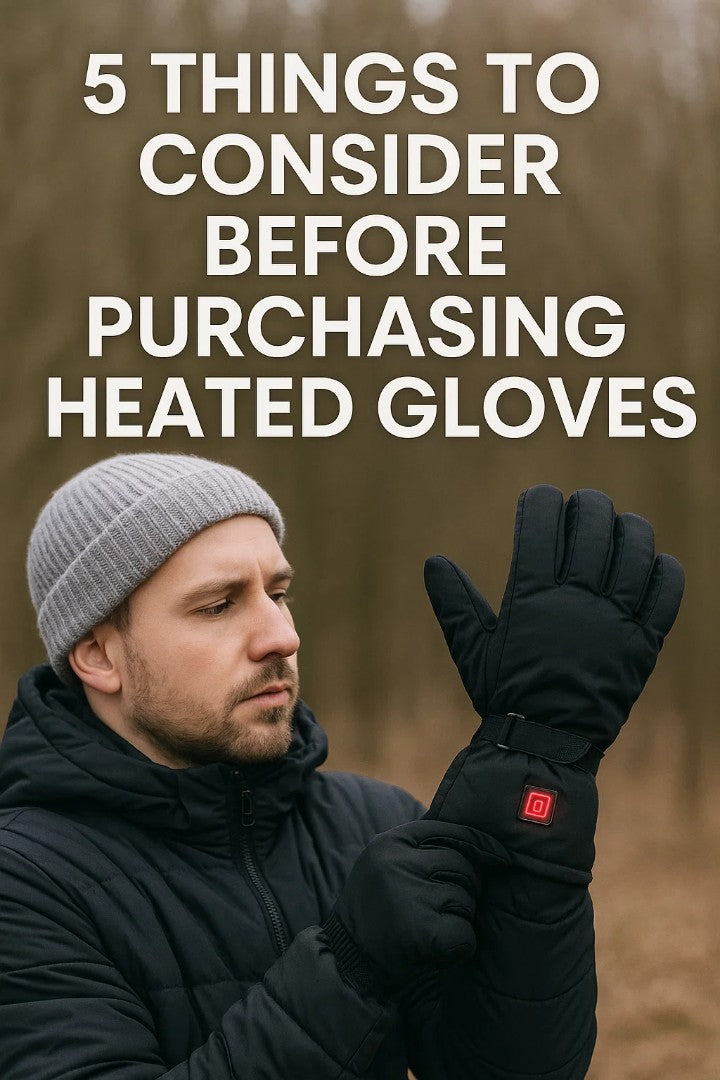
When the winter chill sets in, staying warm is not just a matter of comfort, but of safety. If you're an outdoor enthusiast, commuter, or anyone who finds themselves in cold environments for extended periods, heated gloves can be a game-changer. These gloves are designed to keep your hands warm and comfortable during the coldest conditions, but not all heated gloves are created equal. There are key factors you should consider before making a purchase.
1. Battery Life and Charging Time
One of the most important features to consider when purchasing heated gloves is the battery life. Heated gloves operate on rechargeable batteries, and their longevity can vary depending on the brand and heating settings.
-
Battery Life: Most heated gloves offer anywhere between 2 to 10 hours of warmth, depending on the settings (low, medium, high). If you plan on spending extended periods outdoors, such as hiking, skiing, or snowboarding, look for gloves that offer longer battery life.
-
Charging Time: The time it takes to recharge the gloves is also essential. Some gloves may require several hours to fully charge, so it's important to plan ahead for long trips.
Check the manufacturer's specifications for battery details to ensure that the gloves will meet your needs.
If you're specifically interested in comparing battery life between different mAh options, you can check out our in-depth analysis on the 2200mAh vs 3000mAh battery life for heated gloves to understand how these two battery sizes perform under different conditions.
2. Heating Technology and Zones
Not all heated gloves are the same in terms of heating technology. There are two main types of heating elements: carbon fiber and steel wire. Carbon fiber heating elements are more flexible, lightweight, and evenly distributed, making them ideal for gloves.
-
Heating Zones: The number of heating zones is a crucial factor to consider. Heated gloves can have one, two, or three heating zones. Typically, heating zones are placed at the back of the hand, fingers, and the palm. Three-zone heating gloves provide the most warmth, covering both the hands and fingers entirely.
-
Adjustable Heat Settings: Some gloves come with multiple heat settings, which allow you to control the level of warmth. Choose gloves that offer customizable settings for varying levels of comfort, particularly if you're using them in different environments.
3. Waterproof and Breathability Features
Heated gloves are designed for extreme cold, but that doesn't mean they should be overly insulated or uncomfortable. You'll need gloves that are waterproof to protect against snow, rain, or moisture from sweat. Wet hands are much colder, even with heated gloves, so waterproofing is essential.
-
Waterproofing: Look for gloves with a waterproof membrane such as Gore-Tex, which will keep your hands dry while still allowing breathability.
-
Breathability: Breathable materials help moisture escape from the inside of the gloves, preventing sweat buildup, which can actually make your hands feel colder.
When combined with heating elements, these features ensure maximum comfort during outdoor activities.
4. Fit and Comfort
The fit and comfort of heated gloves are just as important as the heating performance. Ill-fitting gloves can reduce circulation, making it harder to keep warm, or cause discomfort during extended use.
-
Size: Ensure that the gloves fit snugly but not too tight. Tight gloves can compress the insulation and reduce the effectiveness of the heating elements. On the other hand, too loose of a fit may not provide enough warmth.
-
Flexibility and Dexterity: Choose heated gloves that allow you to maintain dexterity for tasks like texting, skiing, or gripping objects. Many heated gloves come in a variety of styles, including full-finger and fingerless options, so pick the one that suits your activity.
5. Material and Durability
Finally, consider the material of the gloves. High-quality materials contribute to both the durability and performance of heated gloves.
-
Outer Material: The outer layer should be abrasion-resistant and tough enough to withstand outdoor use. Leather is a common material used in heated gloves for its durability and water resistance.
-
Insulation: Look for gloves that use premium insulation like Thinsulate or PrimaLoft, which offer excellent warmth without adding bulk.
Durability is key, especially if you're frequently outdoors in harsh conditions, so make sure the gloves are built to last.
Conclusion
Heated gloves are a fantastic solution for anyone looking to stay warm during the winter months, whether you're an outdoor adventurer or simply commuting in cold conditions. By considering factors like battery life, heating zones, waterproofing, comfort, and durability, you can choose the best heated gloves for your needs. Make sure to invest in quality gloves that provide warmth, comfort, and safety for your outdoor activities.


Share:
Stay Warm and Ride Smart: SAVIOR HEAT Heated Gloves Liners for Cycling and Commuting
How to Bring Your Heated Gloves on a Plane: Flight Safety and Travel Tips