

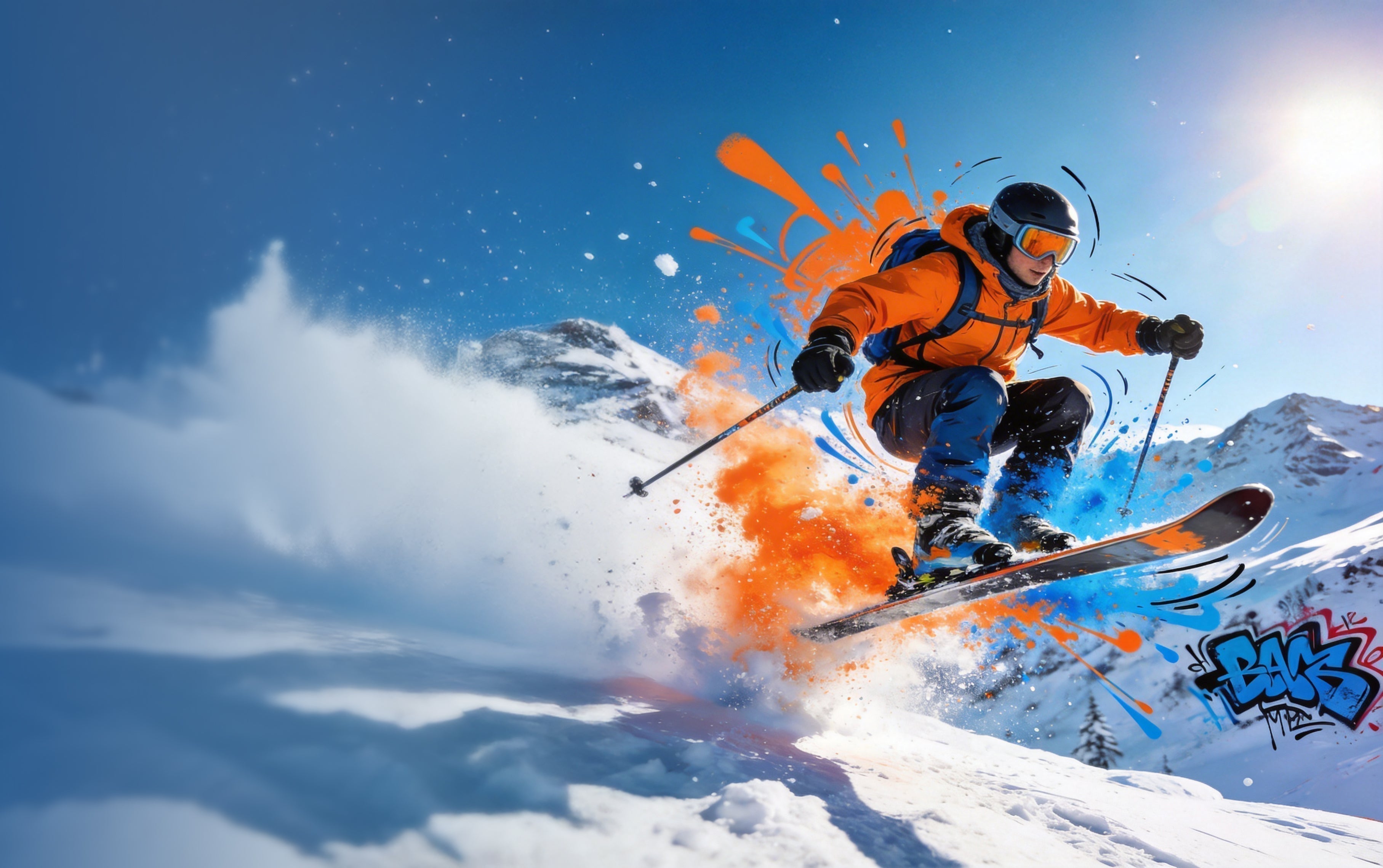
Skiing is one of the most popular winter sports and one of the few activities where your body constantly shifts between extremes. You may feel cold while riding the chairlift, then quickly overheat after a fast downhill run. Beginners often make common mistakes, not only in technique but also in how they dress for the slopes. Many focus solely on staying warm while overlooking the importance of moisture management. As a result, understanding how to layer clothing for skiing is essential, both for improving performance and for choosing the right ski apparel to stay comfortable in changing conditions.
What Is the Ski Layering System?
The best way to layer for skiing follows a simple yet highly effective three-layer system designed to balance warmth, breathability, and protection.

Base Layer: The Foundation of Comfort
The base layer is worn directly against the skin and plays a key role in the layering system. Its primary function is to wick moisture away from the body and help keep the skin dry.
Material Matters
Choosing the right material can significantly affect your comfort:
- Merino wool: Known for its natural temperature regulation and odor resistance, making it well-suited for long ski days or multi-day trips.
- Synthetic fabrics (polyester, nylon blends): Lightweight, quick-drying, and durable, ideal for high-intensity skiing or active movement.
- Cotton (not recommended): Tends to absorb moisture and dry slowly, which can increase heat loss and reduce overall comfort in cold conditions.
Fit and Weight
A base layer is typically designed to fit close to the body to support effective moisture wicking while allowing full range of movement. In addition to fit, selecting the appropriate fabric weight is important for adapting to different weather conditions:
- Lightweight: Suitable for mild temperatures or spring skiing.
- Midweight: Commonly used in standard winter conditions.
- Heavyweight: Better suited for very cold environments or low-activity situations.
Mid Layer: Managing Warmth
The mid layer functions as the primary insulation layer, helping to retain body heat and support overall warmth. Compared to the base layer, the choice of mid layer can vary based on temperature, activity level, and individual comfort preferences.
Common Mid Layer Options
| Type | Warmth Level | Breathability | Best Use Case |
|---|---|---|---|
| Fleece | Medium | High | Most conditions |
| Down | High | Low | Very cold, low activity |
| Synthetic insulated | Medium–High | Medium | Variable weather conditions |
Adjustability Is Key
One of the main advantages of layering is flexibility. If you start to overheat, you can remove or unzip your mid layer. On colder days, adding an extra insulating piece can make a significant difference. This adaptability is what makes the layering system so effective.
Outer Layer: Protection from the Elements
The outer layer shields you from wind, snow, and moisture. Without it, even the best base and mid layers won’t perform effectively in harsh conditions.
Key Features to Look For
When selecting an outer layer for skiing, several technical features are commonly considered to ensure adequate protection and comfort in changing weather conditions:
- Waterproof rating: Typically 10,000 mm or higher is used for skiing conditions.
- Breathability rating: Around 5,000–10,000 g/m², helping to manage heat and moisture buildup.
- Ventilation zippers: Designed to improve airflow and release excess heat during activity.
Types of Outer Layers
- Hard shell jackets: Designed primarily for weather protection, suitable for wet, snowy, or windy environments.
- Insulated jackets: Combine weather resistance with built-in insulation, often used in colder conditions or by less experienced skiers.
Common Layering Mistakes to Avoid
Layering effectively for snow skiing requires balancing warmth, breathability, and mobility. However, certain mistakes are commonly observed, even among experienced skiers:
- Using cotton base layers: Cotton tends to retain moisture and dries slowly, which can reduce thermal efficiency in cold conditions.
- Relying on a single thick jacket: Using one heavy layer instead of a multi-layer system can limit temperature regulation and flexibility.
- Overlooking breathability: Insufficient ventilation may lead to heat and moisture buildup during physical activity.
- Wearing excessive layers: Too many layers can restrict movement and affect comfort and circulation.
Don’t Overlook Skiing Accessories
Layering for skiing is not limited to clothing such as jackets and pants. Accessories also contribute to overall thermal comfort and moisture management:
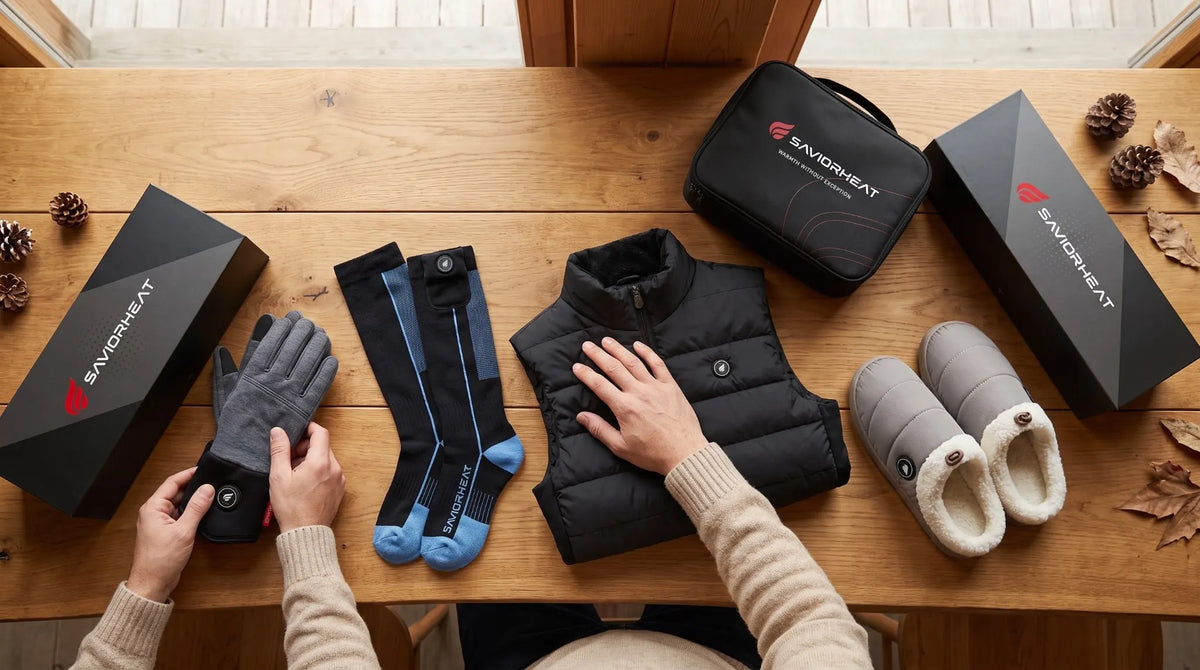
- Gloves: Insulated or heated gloves, including heated gloves, are commonly used to support consistent hand warmth in cold conditions.
- Socks: Moisture-wicking ski socks or heated socks are generally recommended to help maintain foot warmth and manage moisture, while wearing multiple pairs is usually avoided.
- Headwear: Helmets with ventilation systems or moisture-wicking liners can help regulate temperature and manage perspiration during activity.
Best Ski Apparel and Accessories for Your Needs
SAVIOR HEAT Winter Electric Heated Jacket
SAVIOR HEAT Winter Electric Heated Jacket features carbon fiber heating elements that provide targeted warmth to the core, back, and chest, with three adjustable heat settings for different conditions. Powered by a 7.4V rechargeable battery, it offers up to 8-10 hours of heating on a single charge, making it suitable for extended outdoor use. The waterproof and windproof outer layer helps protect against harsh weather, while built-in insulation supports heat retention and breathability. Designed with durable materials, multiple storage pockets, and an ergonomic fit, it allows for comfortable movement during activities such as skiing, hiking, or daily commuting.

SAVIOR Heated Ski Gloves 2.0
SAVIOR Heated Ski Gloves are designed to provide reliable warmth in cold conditions through built-in heating elements and insulated construction. Powered by 7.4V 3000mAh rechargeable batteries with Type-C fast charging, these gloves typically reach full charge in about 2 hours and offer 2 to 12 hours of runtime depending on the heat setting.
Full-hand heating combined with insulation materials helps retain warmth while maintaining breathability, even in low temperatures. Waterproof membranes and durable palm materials support protection and grip in snow or wet environments. Additional features such as adjustable heat levels, touchscreen compatibility, and app or button controls allow for convenient use during activities like skiing, snowboarding, or outdoor work.

Savior Bluetooth Heated Socks for Men and Women
SAVIOR HEAT Rechargeable Heated Socks are designed for reliable warmth in cold conditions, using far-infrared heating elements and a 7.4V rechargeable battery for strong, stable performance.
They feature heating zones around the forefoot and toes, with three adjustable levels (104–150°F) and 3–10 hours of runtime depending on the setting.For easy use, they support both app and button control. Made from breathable Coolmax fabric with soft heating materials, they offer comfort, flexibility, and a secure fit for winter outdoor activities.

Conclusion
Understanding how to layer for skiing is not about adding more clothing, but about choosing the right combination of layers that work together to manage warmth, moisture, and protection. In colder conditions, heated apparel can also be used as a complementary option to help improve thermal comfort.

Share:
What to Wear Deep Sea Fishing: A Practical Guide to Deep Sea Fishing Apparel
Meet the New Savior Heat: A Clearer System for Head-to-Toe Winter Warmth